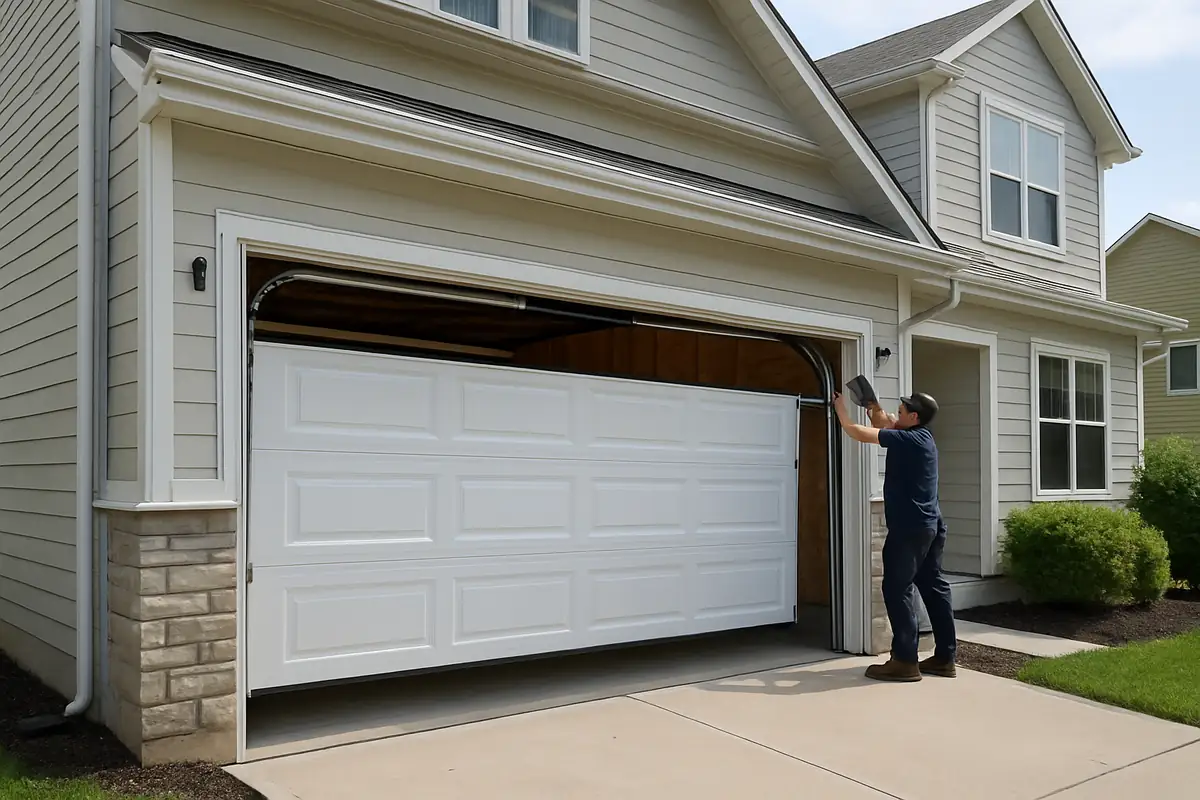

Understanding Different Garage Door Materials
Choosing the right garage door for your home in San Jose, CA, goes beyond mere aesthetics. The material of your garage door greatly influences its durability, maintenance requirements, insulation properties, and overall cost. At A & A Campbell Garage Door Repair, we believe it’s essential to understand the advantages and disadvantages of different materials before making a purchase. In this comprehensive guide, we’ll explore the various garage door materials available and help you choose the best one for your needs.
1. Steel Garage Doors
Advantages of Steel Garage Doors
Steel is one of the most popular materials for garage doors today, thanks to its myriad advantages:
- Durability: Steel doors are incredibly sturdy and resistant to dents and damage.
- Security: The robust nature of steel offers enhanced security against break-ins.
- Low Maintenance: Steel doors require minimal upkeep, often just a coat of paint every few years.
- Energy Efficiency: Many steel doors come with insulation options, helping to keep your garage temperature stable.
Disadvantages of Steel Garage Doors
While steel garage doors have many benefits, they also come with some drawbacks:
- Rust Potential: Steel can rust, especially if the protective coating is compromised.
- Heat Conductivity: Without proper insulation, they can become hot or cold, affecting the garage temperature.
2. Wood Garage Doors
Benefits of Wooden Garage Doors
Wooden garage doors are often favored for their natural beauty and versatility. Here are some benefits:
- Aesthetic Appeal: Wood offers a classic, elegant look that can enhance curb appeal.
- Customization: Wooden doors can be easily customized with various designs, colors, and finishes.
- Insulation: Wood provides decent insulation compared to metal doors.
Drawbacks of Wooden Garage Doors
Despite their beauty, wooden garage doors also present challenges:
- High Maintenance: Wood requires regular staining and sealing to prevent decay.
- Cost: They can be significantly more expensive than metal options.
- Vulnerability: Wood can warp, crack, or suffer from insect damage.
3. Aluminum Garage Doors
Advantages of Aluminum Garage Doors
Aluminum is becoming increasingly popular for garage doors. Here are the advantages:
- Lightweight: Aluminum doors are lighter than steel and wood, making them easier to operate.
- Rust Resistance: Unlike steel, aluminum does not rust, making it ideal for coastal areas like San Jose.
- Low Maintenance: They require minimal upkeep and can withstand harsh weather conditions.
Disadvantages of Aluminum Garage Doors
Some downsides to consider include:
- Dents Easily: Aluminum is softer than steel and can be easily dented.
- Less Insulation: While they can be insulated, they typically do not provide as much insulation as wood or some steel doors.
4. Fiberglass Garage Doors
Benefits of Fiberglass Garage Doors
Fiberglass garage doors combine aesthetic appeal with durability:
- Lightweight: Fiberglass is easy to handle and install.
- Customizable: They can be designed to mimic wood without the associated maintenance.
- Resistance to Weather: Fiberglass is resistant to cracking and does not warp like wood.
Drawbacks of Fiberglass Garage Doors
While beneficial, fiberglass doors also have weaknesses:
- Color Fading: They can fade over time if exposed to direct sunlight.
- Less Secure: Fiberglass is less sturdy than steel, posing a potential security risk.
5. Composite Garage Doors
What are Composite Garage Doors?
Composite garage doors are made from a combination of different materials, usually combining the best features of wood and synthetic materials:
- Environmentally Friendly: Many composite doors are made from recycled materials.
- Durability: They resist weather, warping, and cracking, making them a long-lasting option.
Pros and Cons of Composite Garage Doors
While they have many advantages, composite doors also come with some disadvantages:
- Cost: They can be more expensive than some traditional materials.
- Limited Styles: Although available in various designs, they may not match every home style.
Choosing the Right Material for Your Garage Door
In determining which garage door material is right for you, consider the following factors:
- Climate: Evaluate how weather conditions in San Jose may impact your choice.
- Maintenance: Consider how much time and effort you want to dedicate to upkeep.
- Budget: Have a clear understanding of your budget and how it aligns with your preferred material.
- Style: Choose a design that complements your home’s architecture.
Conclusion
Selecting the right garage door material is crucial for durability, aesthetics, and functionality. We hope this guide has provided you with valuable insights to help you make an informed decision. At A & A Campbell Garage Door Repair, we’re here to assist you with expert advice and quality repair services in San Jose, CA. Whether you need help with installation, maintenance, or repair, don’t hesitate to reach out to us today!
Explore More Resources
Related Articles
Service Areas
We proudly serve San Jose, Seven Trees, Silver Creek, Evergreen, Robertsville and more areas.
Our Services
Professional garage door repair, spring repair, opener installation and more. View all services →
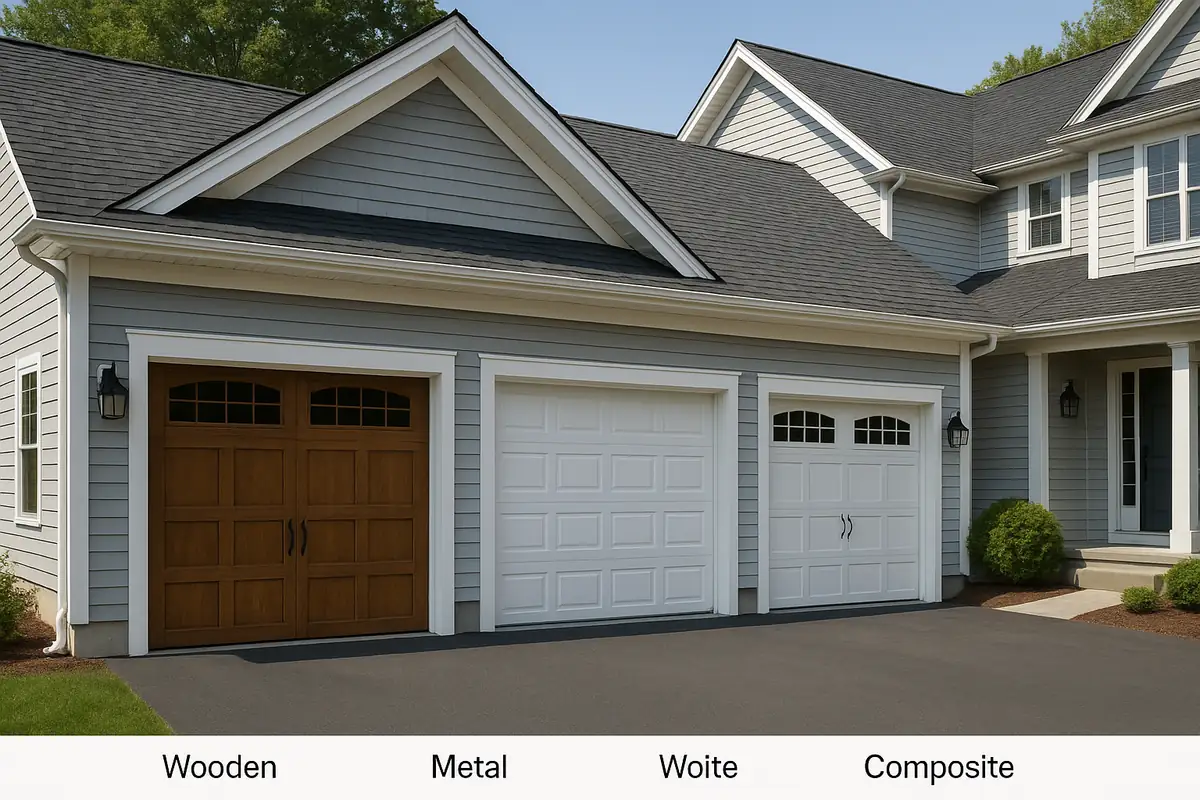
When to Replace vs Repair Your Garage Door: A Guide by A & A Campbell Garage Door Repair
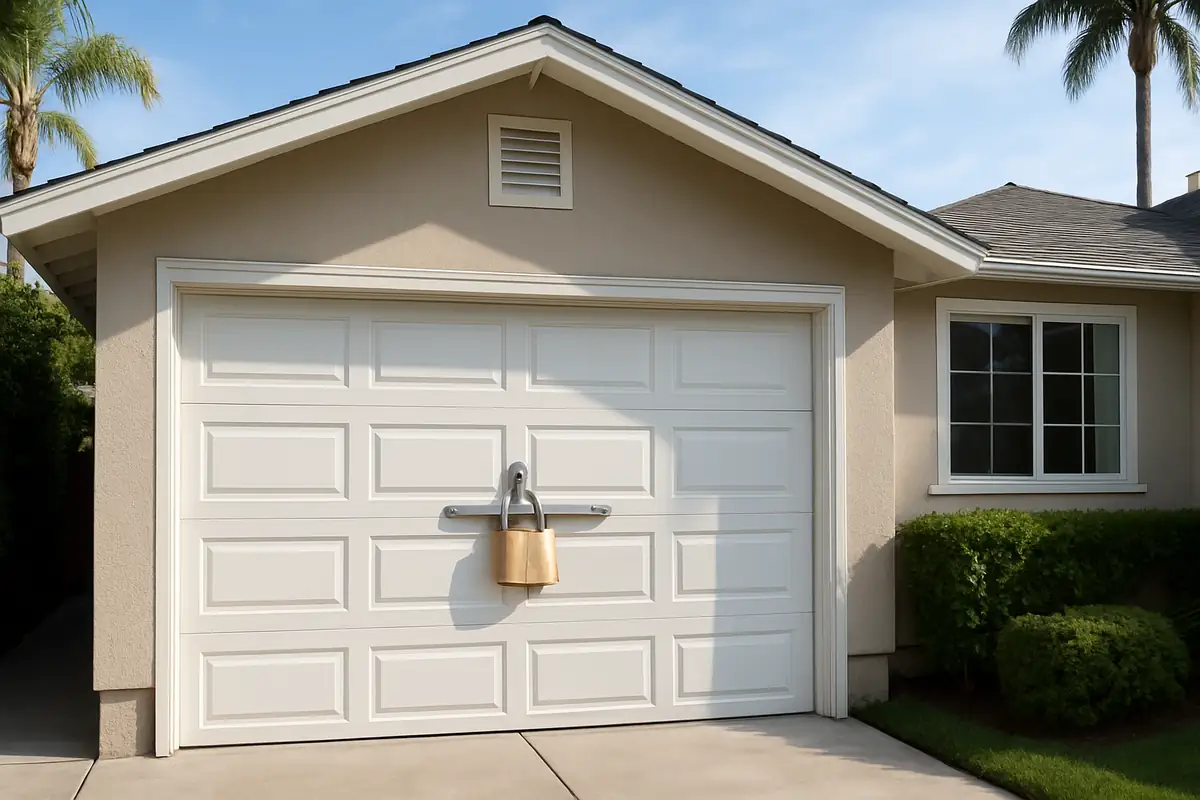
Smart Garage Door Features You Need to Know - A & A Campbell Garage Door Repair