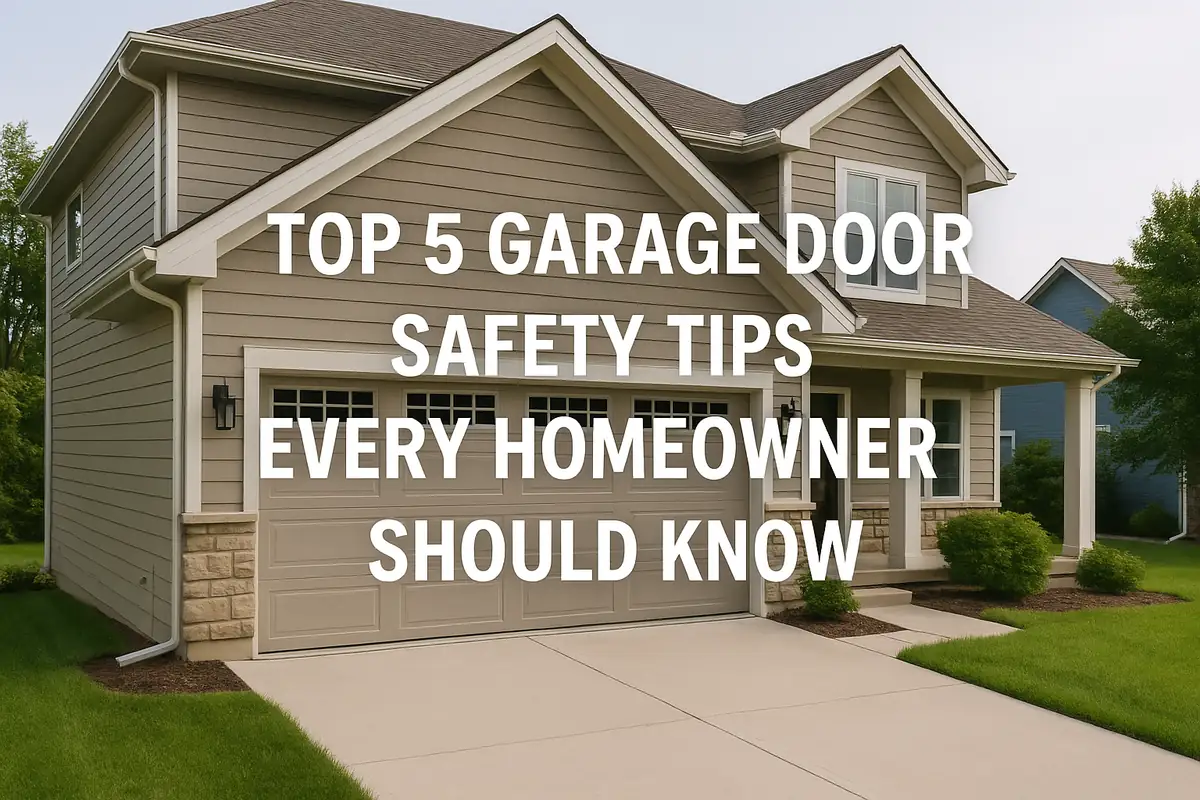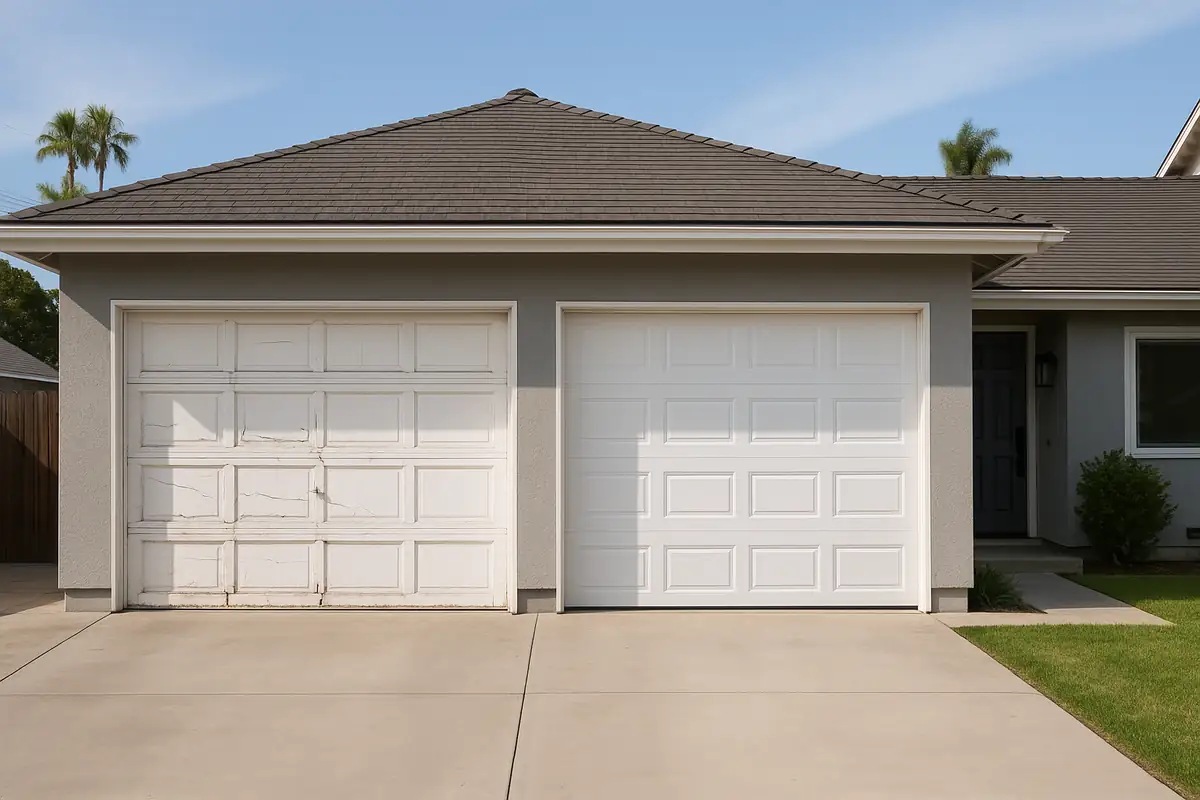

Understanding Garage Door Noise
Garage doors are essential for security and convenience, but they can also be a significant source of noise in your home. Whether it's the grinding of metal against metal or a loud clanging when the door opens and closes, noise pollution from your garage door can disrupt your peace. In this guide, brought to you by A & A Campbell Garage Door Repair in San Jose, CA, we will delve into the causes of garage door noise and offer practical solutions to mitigate it.
Common Causes of Garage Door Noise
Before we dive into solutions, it’s important to understand what might be causing the noise.
- Poor Lubrication: Lack of lubrication on moving parts can lead to squeaking and grinding sounds.
- Worn-Out Rollers: Old or damaged rollers can create rattling sounds when the garage door operates.
- Misaligned Tracks: If the tracks are not correctly aligned, the door may make noise as it moves.
- Loose Hardware: Bolts and screws can loosen over time, contributing to rattling noises.
- Weather Stripping Issues: Worn or damaged weather stripping can lead to additional noise when the door closes.
Simple Solutions to Reduce Garage Door Noise
Now that we’ve identified the common causes of noise, let's explore some practical solutions.
1. Lubricate Moving Parts
A simple and often overlooked solution is to lubricate the moving parts of your garage door. Here’s how:
- Use a silicone-based lubricant or garage door-specific lubricant.
- Apply lubricant to the rollers, hinges, and tracks.
- Open and close the door a few times to work the lubricant into the moving parts.
2. Replace Worn Rollers
If your garage door has noisy rollers, consider replacing them. Nylon rollers are quieter than steel ones, making them a great option for sound reduction.
3. Align the Tracks
If you notice noise due to misalignment, check the tracks of your garage door:
- Inspect the tracks for bends or obstructions.
- Use a level to ensure they’re straight.
- If misaligned, gently tap the tracks with a rubber mallet to adjust.
4. Tighten Loose Hardware
Regularly inspect the hardware on your garage door:
- Check bolts and screws: Ensure they are tight and secure.
- Inspect brackets: Make sure they are firmly attached to the wall.
5. Upgrade Weather Stripping
Replacing old weather stripping can help mitigate noise:
- Remove the old weather stripping from the bottom of the door.
- Install new weather stripping that fits snugly.
Additional Noise Reduction Tips
Here are some further tips to create a quieter garage:
1. Soundproof the Garage
Consider soundproofing your garage with:
- Acoustic panels on the walls.
- Soundproof insulation in the walls.
2. Use Garage Door Mats
Place mats under the door or around the garage to absorb sound when the door opens and closes.
3. Opt for a New Garage Door Opener
If your garage door opener is outdated, it may contribute to more noise. Consider upgrading to a newer, quieter model.
Statistics and Benefits
According to the International Door Association, more than 70% of homeowners use their garage door as the main entry point to their homes. Ensuring your garage door operates quietly not only enhances your home's comfort but also improves its overall value.
Conclusion: Take Action with A & A Campbell Garage Door Repair
Reducing garage door noise is not just about comfort; it also contributes to the longevity of your garage door system. Regular maintenance can prevent many noise-related issues from arising. If you're feeling overwhelmed or need professional assistance, don’t hesitate to contact A & A Campbell Garage Door Repair. Our team in San Jose, CA, is ready to help you enjoy a quieter and more efficient garage door.
Explore More Resources
Related Articles
Service Areas
We proudly serve San Jose, Seven Trees, Silver Creek, Evergreen, Robertsville and more areas.
Our Services
Professional garage door repair, spring repair, opener installation and more. View all services →
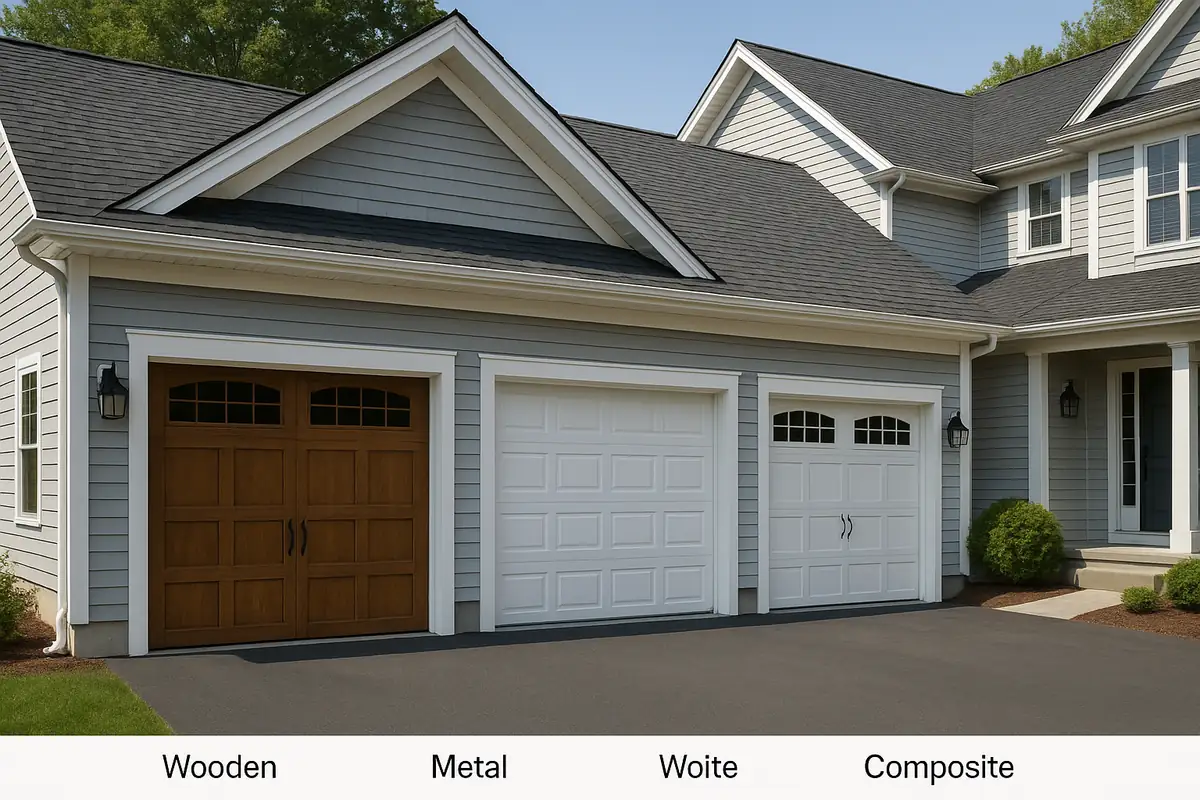
When to Replace vs Repair Your Garage Door: A Guide by A & A Campbell Garage Door Repair
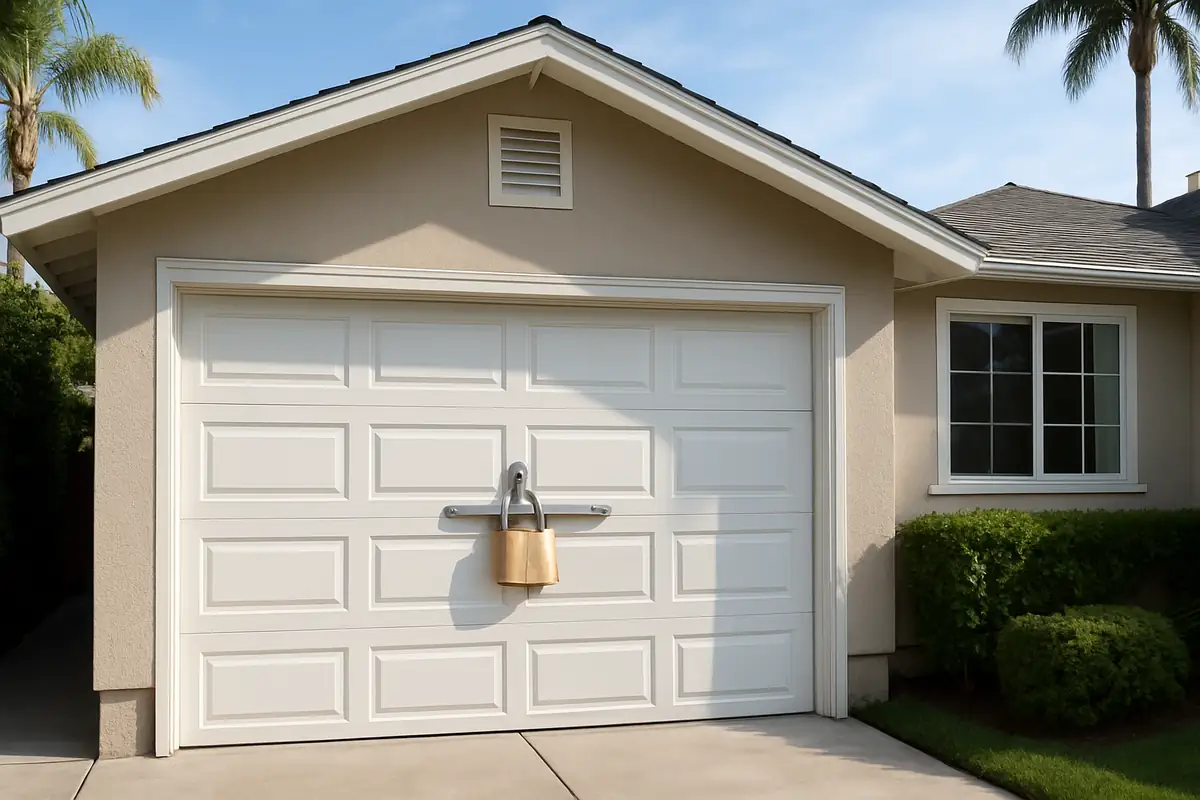
Smart Garage Door Features You Need to Know - A & A Campbell Garage Door Repair